

County Fermanagh beef and sheep farmer David Henderson looks for the same qualities in his 100 strong ewe flock as he does in his suckler herd, which also runs to about 100 head.
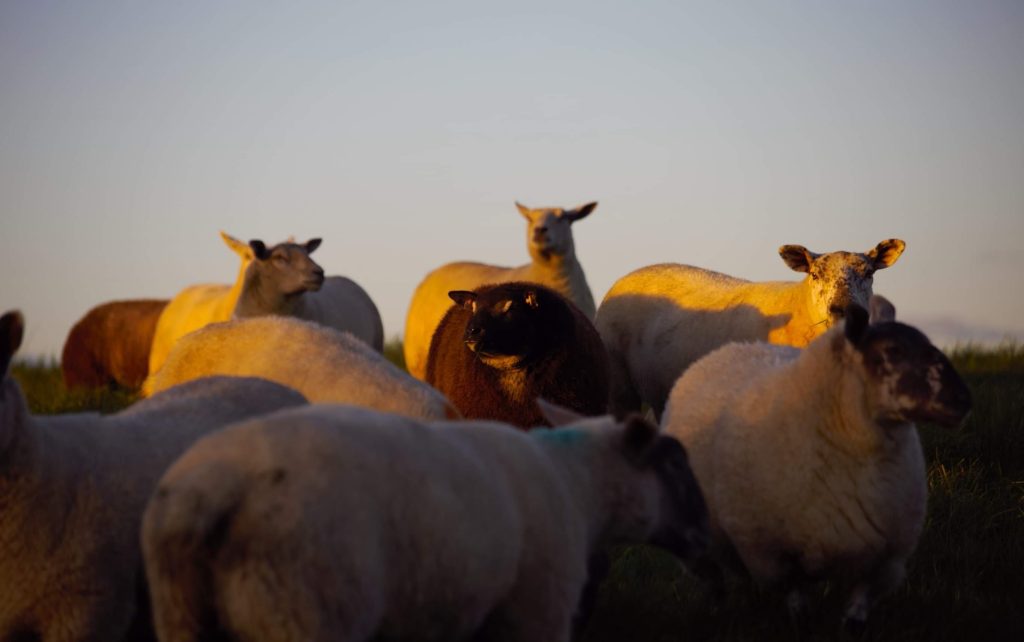
Those qualities include easy lambing and calving and importantly, the ability of both breeding and finishing stock to maximise the potential of what he claims is some of the best grass growing land in Britain, albeit sometimes restricted by wet ground conditions. Says David: “I am not looking for cows or ewes with eye-catching conformation themselves, but they must be good on their feet and have the ability to produce progeny that will go on to grade well when put to the right sires, and. to have plenty of milk for those calves or lambs, although I don’t like ewes which develop too much bag.”
His cows are a three-way cross of Limousin, Simmental and Shorthorn and around half of them produce the herd’s heifer replacements while the other half go to Charolais bulls, all calving at 24 months.
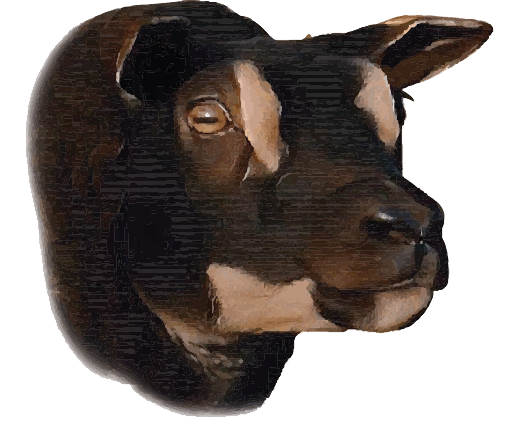
However, one difference in the sheep flock management is that David does not breed his own replacements, preferring to buy in a mix of mainly Cheviot Mules and some of the region’s Hiltex ewes, which are the progeny of a Texel ram and a Blackface Mountain ewe. He is also a comparatively recent convert to the Badger Face Texel as his terminal sire of choice which he has used for three years and likes the smaller heads, finer bone and tight skins along with of course, conformation that will see many of the lambs falling into the top grades.
“Most of the lambs will be white although a few are black but it makes no difference as they all go deadweight,” says David. “We have about 230 acres here at Cappy House, Tamlaght, which is to the east of Enniskillen and I have to carefully alternate lambing and calving batches with each other. Accommodation is limited and so one third of the ewes lamb inside from mid-February into early March but are turned out after two of three days if the weather is anything like, and the first batch of cows then begin to calve. The remainder of the ewes lamb from April 9th into May and are housed at night but out in the day, and a fair proportion do actually lamb outside,” he says.
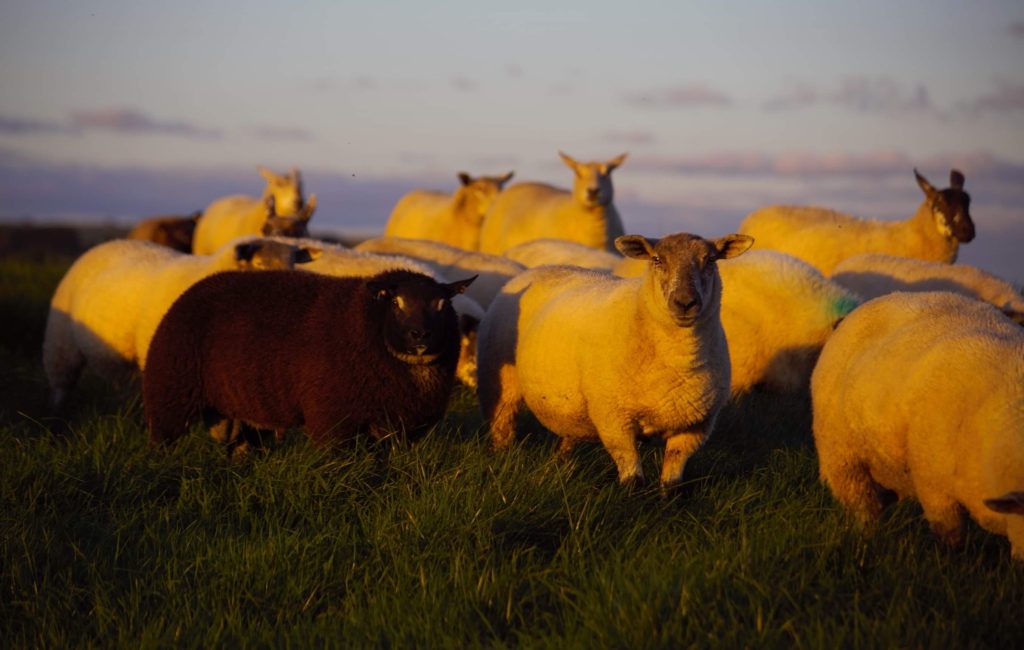
His early lambing ewes will get up to 1lb of meal a day and the lambs will get creep when old enough and at that point the ewes’ feed is reduced. David acknowledges these are perhaps not his most profitable lambs but the first ones will be away from mid-May at around 40kg and most will have been sold by mid June, with all the early tup lambs left entire.
This year 34 early ewes produced 61 lambs. Says David: “The later lambers are what I call the lower cost ones with less reliance on meal or creep but maximising the potential of the high quality grass. These are better marketed at about 45kg when they will be about five months or so and the tup lambs are ringed. To be fair, there will tend to be a few more U grades among them but then they haven’t had the same level of meal. “There are probably not that many other farms around here operating just as we do, but it works for me. As far as the Badger Faced rams are concerned, I am not into ‘pedigree’ as such but I am happy to go on the recommendations of breed chairman Clive Richardson who is not too far away and who I buy them from and I normally run three. One thing I do want is good feet and I will keep a ram as long as it is working. I do actually find them very fertile and capable of maintaining a tight lambing period. The lambs really get going well and while some might not look too fancy in the first couple of days, they are certainly quick to start showing some shape. “The Badger Face is certainly doing what I need it to do here although I don’t tend to view it as a maternal breed and not what I call a ‘ewe maker’, which is why I buy in all my replacements,” he says.